#WeWillDoItOurselves
Environmental affairs
Environmental affairs refer to the protection and sustainable management of the natural environment within communities in South Africa. AfriForum places a strong emphasis on issues such as water quality, pollution, waste management and the conservation of natural resources, and is often critical of the failure of authorities to enforce environmental legislation.

The organisation encourages communities to get involved through projects such as clean-ups, monitoring water sources, and legal action against polluters. In this context, environmental affairs are therefore regarded as a shared responsibility where citizens play an active role in ensuring a healthy and sustainable living environment.
The state wants to expropriate your water rights
The state wants to expand its control over South Africa’s water. The proposed amendments to the Water Act give the state greater power to decide who can use water and under what conditions.
This bill could:
- give the state greater control over water;
- weaken the rights of existing water users;
- place more power in the hands of the minister;
- create greater uncertainty for farmers, businesses and water users, and
- further put water security under pressure.
South Africa’s water crisis is not caused by a lack of state power. The real problems are poor governance, dilapidated infrastructure and the government’s failure to properly implement existing legislation.
We say no to greater state control over water. South Africa’s water resources must be protected – not placed under even greater state control.
Sign the petition and submit your comments before 30 July 2026. Make your voice heard.
"*" indicates required fields
COMMENT ON THE NATIONAL WATER AMENDMENT BILL, 2026 (B1-2026)
I do not support the National Water Amendment Bill, 2026, in its current form.
While I support the constitutional objective of promoting equitable access to water and addressing historical inequalities, I do not believe the proposed amendments have been shown to be rationally connected to the problems they seek to solve.
I object to the proposed amendments that:
- prohibit private trading in water use entitlements and require surrendered entitlements to revert to the minister (clause 10);
- introduce race-based reservation of water allocations and require greater consideration of race in future water allocation decisions (clauses 12 and 13);
- introduce new powers to curtail existing water rights under a “use-it-or-lose-it” principle (clauses 17, 18 and 19); and
- further expand ministerial control over Water User Associations and require compulsory transformation strategies (clauses 27 and 28).
I am concerned that the bill expands the powers of the Department of Water and Sanitation without first addressing nearly three decades of incomplete implementation of the existing National Water Act. The Department has not fully utilised the mechanisms already available to achieve equitable access to water, while acknowledging that the real barriers to meaningful participation remain land tenure, financing, infrastructure, technical support and licensing support. Instead of addressing those underlying constraints, the bill shifts towards greater state control over water use and race-based allocation mechanisms.
I believe Parliament should amend these provisions to ensure that any reform of South Africa’s water law is evidence-based, rationally connected to its stated objectives, and addresses the real causes of unequal access to water before expanding the Department’s powers over existing water use.
I therefore request the Portfolio Committee to substantially amend the bill before it proceeds further through the legislative process.
Video’s
Media statements
17 October 2026
More than half of the landfill sites and transfer stations that AfriForum assessed this year as part of its landfill…
17 October 2026
Only 6% of the landfill sites and transfer stations that AfriForum assessed in the Free State this year as part…
17 October 2026
None of the five municipal landfill sites and transfer stations assessed by AfriForum this year as part of its landfill…
16 October 2026
Only 26%, or five out of the 19 landfill sites and transfer stations audited this year as part of AfriForum’s…
16 October 2026
Not a single one of the six landfill sites audited in the Northern Cape this year as part of AfriForum’s…
16 October 2026
Only 11% – or two out of the 19 landfill sites and transfer stations audited this year as part of…
16 October 2026
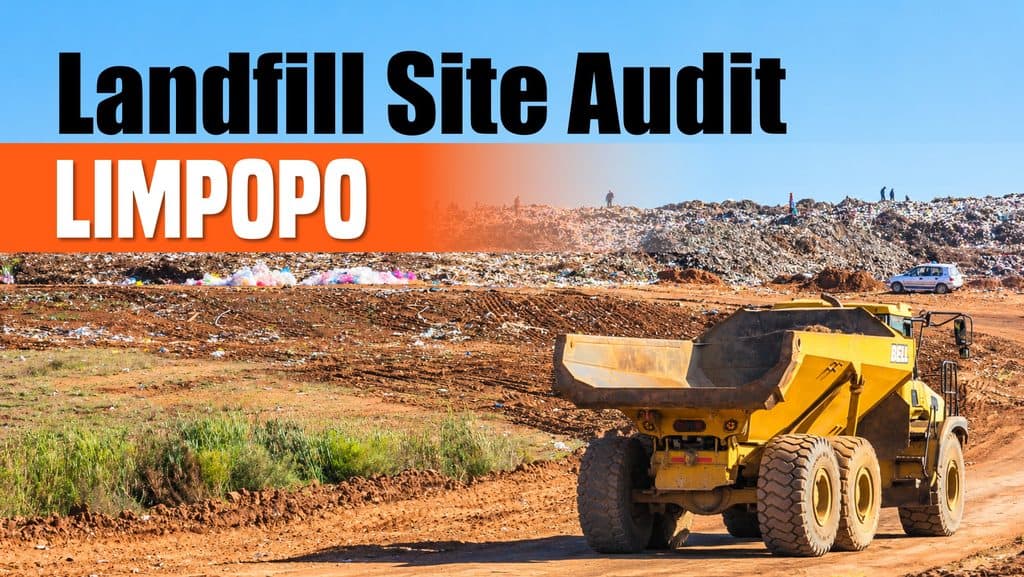
Only 8% – that is, one out of the 11 landfill sites and transfer stations audited in Limpopo this year…
16 October 2026
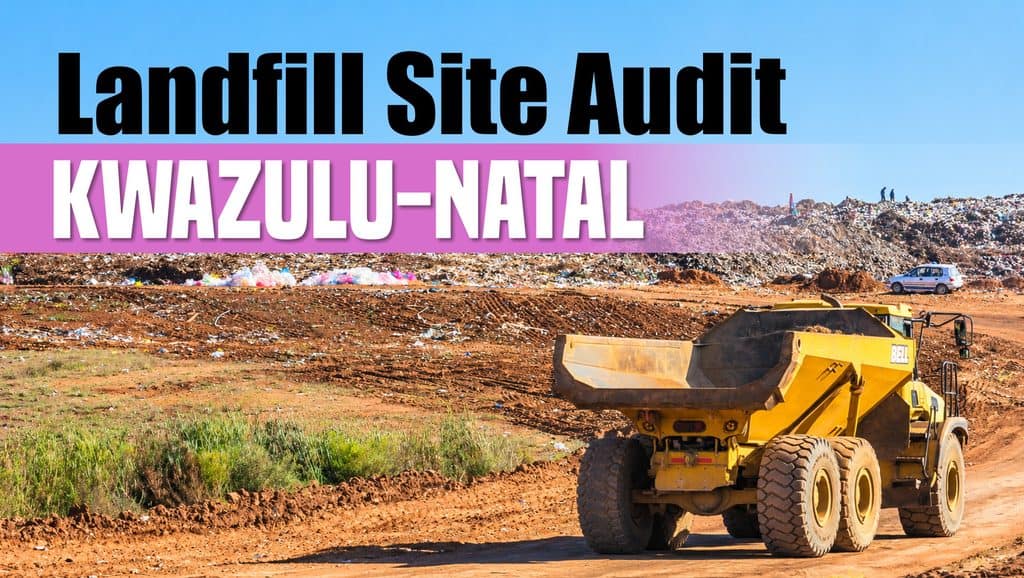
Only 27% – or three out of the 11 landfill sites and transfer stations audited in KwaZulu-Natal this year as…
16 October 2026
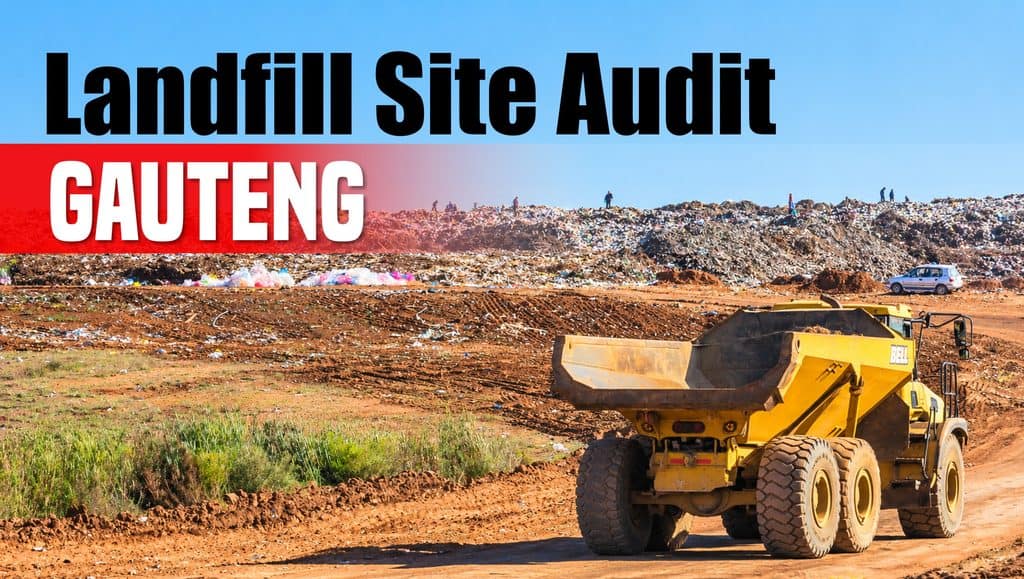
Only 23% – that is, three out of the 13 landfill sites and transfer stations audited this year in the…
13 October 2026
AfriForum believes that the City of Johannesburg Metropolitan Municipality’s consideration of involving the private sector in water supply is an…
5 October 2026
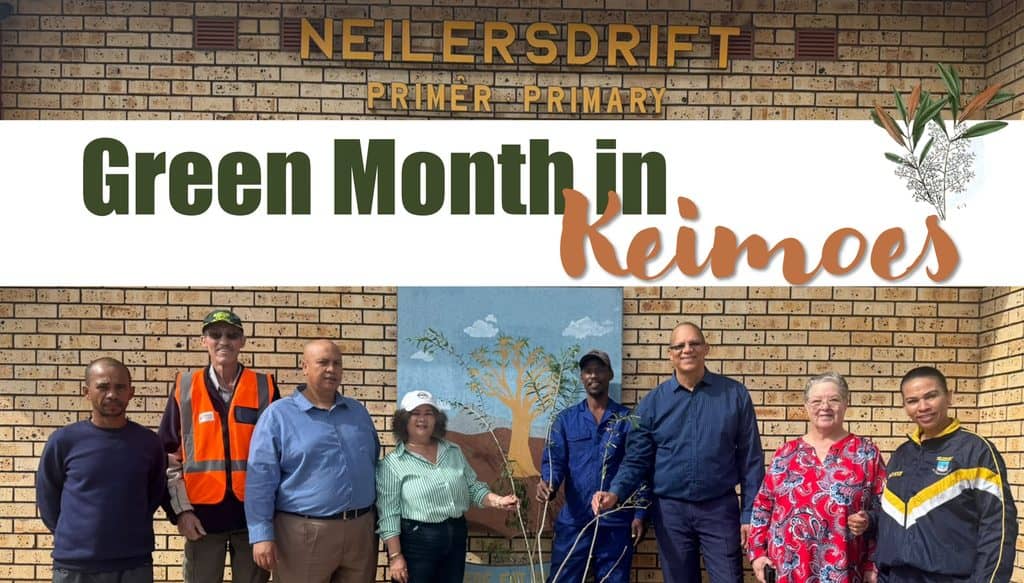
During Green Month – which AfriForum observed in September – the organisation’s Keimoes branch, in collaboration with various schools, churches,…
2 October 2026
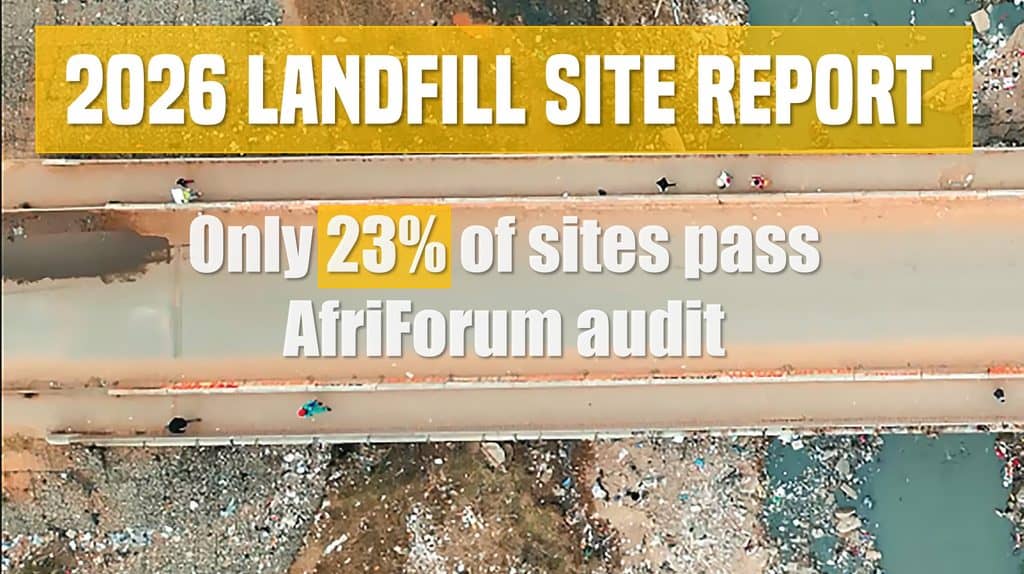
AfriForum’s 2026 Municipal Landfill Site Audit Report shows a slight improvement in landfill management at a national level, yet 77%…
"*" indicates required fields
Word ’n lid
Klik hier om self aan te sluit of self jou
lidmaatskap te bestuur.